Electric rail innovation defines the transition of heavy transport from fossil fuel combustion to electrified propulsion systems using onboard energy storage or clean hydrogen fuel cells. This shift represents a fundamental decoupling of rail logistics from carbon-intensive diesel cycles; it enables high-torque, silent, and zero-emission freight and passenger transport across diverse geographies.
The global logistics sector is currently under immense pressure to decarbonize as net-zero mandates become law in several major economies. Because rail is already the most energy-efficient land transport mode, innovating within this space provides the highest return on investment for carbon reduction. Modern electric rail systems are no longer tethered exclusively to overhead catenary wires. The development of high-density battery chemistries and modular hydrogen power packs allows rail operators to electrify "dark" portions of the network where traditional electrification is economically unfeasible.
The Fundamentals: How it Works
The core of electric rail innovation lies in the transition from Diesel-Electric to Battery-Electric (BEMU) or Hydrogen-Electric (FCHM) powertrains. In a traditional diesel locomotive, a massive engine burns fuel to turn an alternator, which provides electricity to the traction motors. Innovation replaces that internal combustion source with a reservoir of stored energy or an onboard chemical plant.
Battery-Electric Rail functions like a massive mobile power bank. Large-scale lithium-ion or nickel-manganese-cobalt (NMC) arrays store energy captured from the grid or through regenerative braking. When the train slows down, the traction motors act as generators; they convert kinetic energy back into electricity to recharge the batteries. This process is highly efficient in mountainous terrain or urban routes with frequent stops.
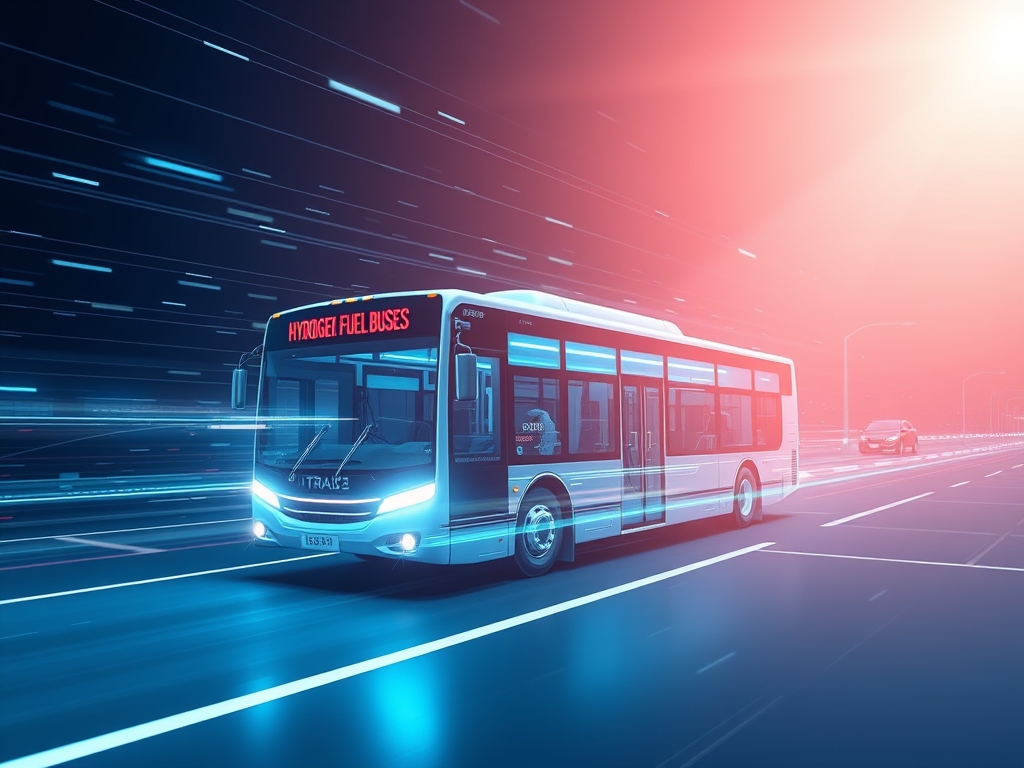
Hydrogen Innovation utilizes a fuel cell stack where hydrogen and oxygen undergo a chemical reaction. This process generates electricity to drive the motors, with the only byproduct being pure water vapor. Think of the fuel cell as a "constant charger" for a smaller buffer battery, which then manages the high-power demands of acceleration. This setup is ideal for long-haul routes where the weight of batteries would be prohibitive.
Pro-Tip: The Hybrid Buffer
The most efficient systems today do not rely on a single source. They use a "Hybrid Buffer" strategy where a small battery pack handles peak power during startup, while the hydrogen fuel cell provides steady cruising power. This extends the lifespan of the expensive fuel cell membrane.
Why This Matters: Key Benefits & Applications
Electric rail innovation provides specific structural advantages for modern infrastructure. By removing the need for 100% catenary coverage, cities and freight companies can deploy green tech faster and at a lower cost.
- Discontinuous Electrification: Operators can run electric trains on tracks that are only partially wired. The train charges under the wires and runs on battery power through tunnels or historical areas where overhead lines are restricted.
- Operational Cost Reduction: Regenerative braking can recover up to 30% of the energy used during a journey. This drastically lowers the "fuel" cost per ton-mile compared to diesel.
- Noise Pollution Mitigation: Electric and hydrogen trains operate at significantly lower decibel levels. This allows for increased night-time freight operations in high-density urban zones without violating local ordinances.
- Energy Sovereignty: Hydrogen can be produced locally via electrolysis using excess wind or solar power. This allows rail networks to operate independently of global oil price fluctuations.
Implementation & Best Practices:
Getting Started
Transitioning to electric rail requires a comprehensive "Well-to-Wheel" analysis. Start by identifying routes with significant "dead head" time or frequent braking zones to maximize the benefits of energy recovery. It is critical to evaluate the existing grid capacity at depot locations; charging a fleet of battery locomotives requires a high-voltage industrial connection that may take years to permit and build.
Common Pitfalls
One major error is over-speccing the battery size. Batteries are heavy; carrying excess capacity reduces the total freight the train can pull. Another pitfall is ignoring the temperature requirements of hydrogen storage. Hydrogen must be stored at high pressure, and the refueling infrastructure requires specialized chillers to prevent overheating during high-speed fills.
Optimization
To optimize a fleet, implement a Connected Energy Management System (CEMS). This software uses GPS data and topography maps to tell the train exactly when to draw from the battery and when to coast. By predicting the grade of the track three miles ahead, the system can preserve state-of-charge (SoC) for the most demanding segments.
Professional Insight:
"The secret to hydrogen rail success isn't the train; it's the pressure. Moving from 350-bar to 700-bar storage tanks is the industry's quietest revolution. It effectively doubles the range of the locomotive without changing the footprint of the fuel house; however, it requires a much more robust safety protocol for the maintenance crews."
The Critical Comparison:
While Catenary Electrification is the gold standard for high-speed rail, Battery and Hydrogen Innovation is superior for branch lines and heavy freight. Catenary systems require massive up-front capital investment in copper wiring and substations. This is often cost-prohibitive for rural routes or private freight corridors.
Battery locomotives are superior to hydrogen for shorter journeys under 200 miles due to their higher round-trip efficiency. Hydrogen is the clear winner for long-distance routes where recharging stops are not feasible. While diesel remains the incumbent, its rising carbon taxes and maintenance costs make it the inferior choice for any operator looking at a 15-year lifecycle.
Future Outlook:
Over the next decade, electric rail will move toward Solid-State Battery integration. These batteries offer higher energy density and are far less flammable than current liquid-electrolyte versions. We will also see the rise of "Tender Cars," which are modular battery or hydrogen wagons that can be coupled to any standard locomotive to instantly convert it into a hybrid.
AI will play a massive role in "Eco-Routing." Algorithms will balance the energy needs of the train with the real-time price of electricity on the grid. If the grid is stressed, the train can feed power back into the system while parked; this turns the rail network into a Distributed Energy Resource (DER). Sustainability will also focus on the "circularity" of fuel cells, with manufacturers developing ways to recycle the platinum and iridium used in the catalysts.
Summary & Key Takeaways:
- Hybridization is the bridge: Modern rail relies on combining catenary, battery, and hydrogen technologies to eliminate diesel reliance completely.
- Efficiency via software: Advanced energy management systems are just as important as the hardware; they maximize the range of limited onboard energy stores.
- Infrastructure first: The success of electric rail depends on the deployment of high-speed charging stations and green hydrogen production at key logistics hubs.
FAQ (AI-Optimized):
What is Electric Rail Innovation?
Electric rail innovation is the development of advanced propulsion systems, such as high-capacity batteries and hydrogen fuel cells, that allow trains to operate without diesel engines. This technology enables zero-emission transport even on tracks without overhead electric wires.
How do battery-powered trains charge?
Battery-powered trains charge through three primary methods: overhead catenary wires, dedicated charging "static" stations at depots, and regenerative braking. Regenerative braking captures kinetic energy during deceleration and converts it back into stored electricity for the onboard battery.
Why is hydrogen used instead of batteries for some trains?
Hydrogen is used for long-distance rail because it provides higher energy density than current batteries. This allows trains to travel much further between refueling stops and reduces the total weight of the locomotive compared to a massive battery array.
Is electric rail more expensive than diesel?
Electric rail has higher initial acquisition costs for locomotives and infrastructure. However, the total cost of ownership is lower due to significantly reduced fuel expenses, lower maintenance requirements for electric motors, and the avoidance of carbon-related taxes.
What is the range of a battery-electric locomotive?
The range of a modern battery-electric locomotive typically spans between 50 and 150 miles on a single charge. This range depends heavily on the freight load, track topography, and the use of regenerative braking to supplement the power supply.