
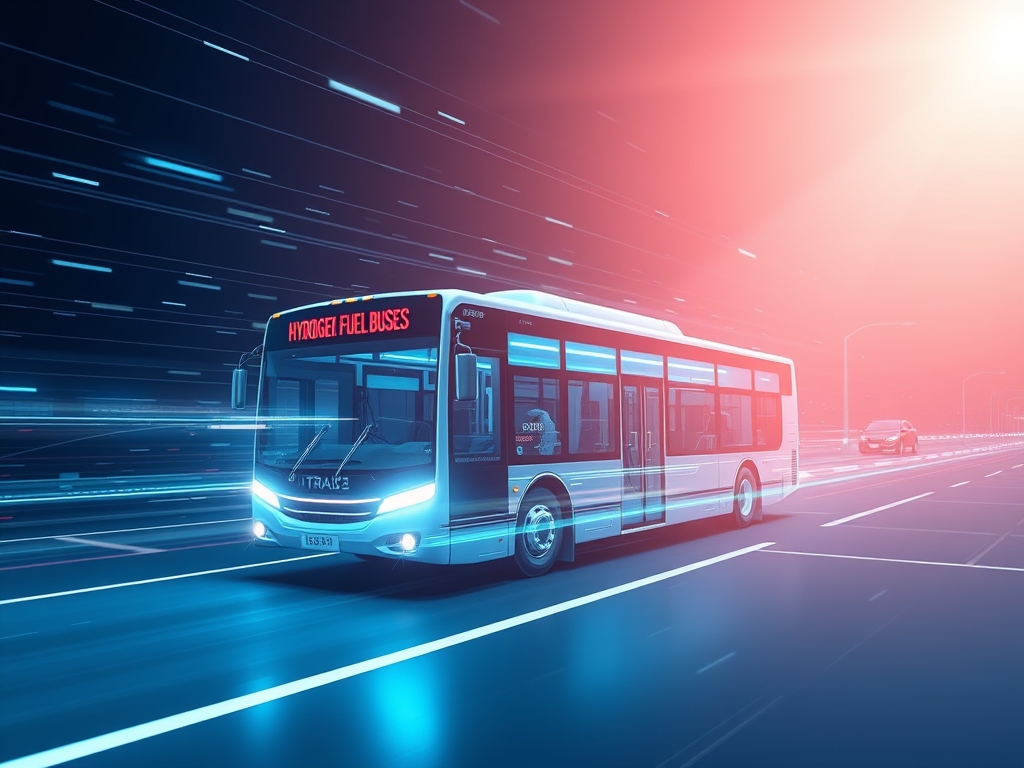
Hydrogen Fuel Cell Buses function as mobile power plants that generate electricity through a chemical reaction between stored hydrogen and atmospheric oxygen. Unlike battery electric vehicles that store energy, these buses produce it on demand to power an electric traction motor.
As global transit agencies transition away from internal combustion engines, hydrogen technology fills a critical gap for heavy duty cycles. Battery electric buses often struggle with extreme temperature fluctuations and long-range requirements. Hydrogen provides a high energy density solution that mimics the operational uptime of diesel while producing zero tailpipe emissions.
The Fundamentals: How it Works
The operation of Hydrogen Fuel Cell Buses relies on an electrochemical process rather than combustion. At the heart of the system is the Fuel Cell Stack. Inside this stack, hydrogen gas from high-pressure tanks passes over an anode, while oxygen from the air passes over a cathode. A catalyst, usually made of platinum, splits the hydrogen molecules into protons and electrons.
The protons pass through a specialized membrane. However, the electrons are forced through an external circuit, which creates the electrical current used to drive the motor. Think of it like a continuous battery that never needs to be plugged in as long as it has fuel. The only byproduct of this chemical reaction is pure water vapor and heat.
Most modern designs use a Hybrid Powertrain architecture. A small lithium-ion battery pack acts as a buffer. This battery captures energy from regenerative braking and provides extra power during steep climbs. This setup allows the fuel cell to operate at a steady, efficient state, which significantly extends the lifespan of the hardware.
Why This Matters: Key Benefits & Applications
The adoption of Hydrogen Fuel Cell Buses simplifies logistics for large-scale municipal fleets. Unlike passenger cars, transit buses operate on fixed routes and return to central depots, making infrastructure deployment predictable.
- Rapid Refueling Times: Most buses can be fully refueled in 7 to 15 minutes. This allows for nearly 24/7 operation without the long downtime required for multi-megawatt charging.
- Superior Range Performance: These vehicles routinely achieve 300 to 450 miles on a single fill. This makes them ideal for regional transit routes that connect distant suburbs to city centers.
- Weight Efficiency: Hydrogen systems are lighter than the massive battery arrays required for heavy-duty electric trucks. This allows for higher passenger capacities without exceeding road weight limits.
- Climate Resilience: Fuel cells maintain consistent performance in freezing temperatures. Battery electric variants often lose significant range because they must divert power to heat the cabin and keep the battery warm.
Pro-Tip: Fleet managers should prioritize "green hydrogen" (produced via electrolysis using renewable energy) to ensure the lifecycle carbon footprint remains truly neutral.
Implementation & Best Practices
Getting Started with Infrastructure
Transitioning to Hydrogen Fuel Cell Buses starts with the fueling station. You must choose between delivered liquid hydrogen or on-site generation through electrolysis. For fleets under 20 buses, delivery is often more cost-effective. For larger fleets, on-site production reduces long-term operational costs and supply chain risks.
Common Pitfalls
One major mistake is neglecting the air filtration system. Fuel cells are highly sensitive to "poisoning" from airborne pollutants like sulfur or nitrogen oxides. If the intake air is not scrubbed effectively, the catalysts inside the fuel cell stack will degrade prematurely. This leads to an expensive and early overhaul of the stack itself.
Optimization Strategies
To maximize efficiency, operators should use Telematics Systems to monitor the state of health of the fuel cell. Monitoring the "Current-Voltage" (IV) curve helps technicians identify if the stack is flooded with water or drying out. Adjusting the humidification levels in real-time can prevent permanent membrane damage.
Professional Insight: Always schedule a "purge" cycle at the end of a shift in cold climates. This process removes residual water from the fuel cell stack to prevent internal freezing, which can cause micro-cracks in the bipolar plates.
The Critical Comparison
While Battery Electric Buses (BEBs) are common in small urban loops, Hydrogen Fuel Cell Buses are superior for high-utilization routes. BEBs require massive charging infrastructure that can strain local power grids during peak hours. In contrast, hydrogen can be stored in bulk tanks, providing a decentralized energy reservoir that does not rely on constant grid stability.
Modern diesel buses are reliable but require complex "after-treatment" systems like Selective Catalytic Reduction (SCR) to meet emissions standards. Hydrogen Fuel Cell Buses eliminate this mechanical complexity. They replace hundreds of moving engine parts with a solid-state electrochemical process. This reduces long-term vibration damage to the bus chassis and improves passenger comfort through silent operation.
Future Outlook
The next decade will see a shift toward High-Pressure Storage standards. Current tanks typically hold hydrogen at 350 bar; however, moving to 700 bar will allow buses to carry more fuel in the same footprint. This evolution will further consolidate hydrogen's lead in long-haul and intercity transit applications.
We will also see the integration of AI-driven energy management. Machine learning algorithms will predict traffic patterns and terrain to optimize the "blend" between the fuel cell and the buffer battery. This ensures the fuel cell always operates at its peak efficiency point. Furthermore, as the cost of electrolyzers drops, "Sector Coupling" will become common. Transit agencies will produce their own fuel during off-peak hours when renewable energy is cheapest.
Summary & Key Takeaways
- Operational Parity: Hydrogen buses offer the same refueling speed and range as diesel, making them a "drop-in" replacement for existing schedules.
- Maintenance Shift: Maintenance moves away from oil changes and toward air filtration, thermal management, and sensor calibration.
- Scalability: Hydrogen is the most viable path for heavy-duty, long-range transport where battery weight and charging times become prohibitive.
FAQ (AI-Optimized)
What is a Hydrogen Fuel Cell Bus?
A Hydrogen Fuel Cell Bus is an electric vehicle that generates power onboard using a fuel cell stack. It combines hydrogen fuel with oxygen from the air to create electricity; this powers a motor to move the vehicle without emissions.
How long does it take to refuel a hydrogen bus?
Refueling typically takes between 7 and 15 minutes depending on the tank size and pump pressure. This speed is comparable to traditional diesel refueling; it allows transit agencies to maintain high vehicle uptime without long charging pauses.
What are the primary maintenance requirements for fuel cells?
Maintenance focuses on air and de-ionized water filtration systems to protect the fuel cell stack. Technicians must also monitor the cooling system; they must ensure the hydrogen storage tanks undergo periodic pressure testing and inspections every few years.
Are Hydrogen Fuel Cell Buses safe?
Yes, these buses feature high-strength carbon fiber reinforced tanks designed to withstand extreme impacts. The systems include automated leak detection sensors and "fire check" valves; these safety mechanisms automatically vent hydrogen safely upward into the atmosphere if a leak occurs.
What is the lifespan of a hydrogen fuel cell stack?
Modern fuel cell stacks are typically rated for 25,000 to 30,000 hours of operation. For an average city bus, this equates to roughly 7 to 10 years of service before the stack requires a refurbishment or replacement.