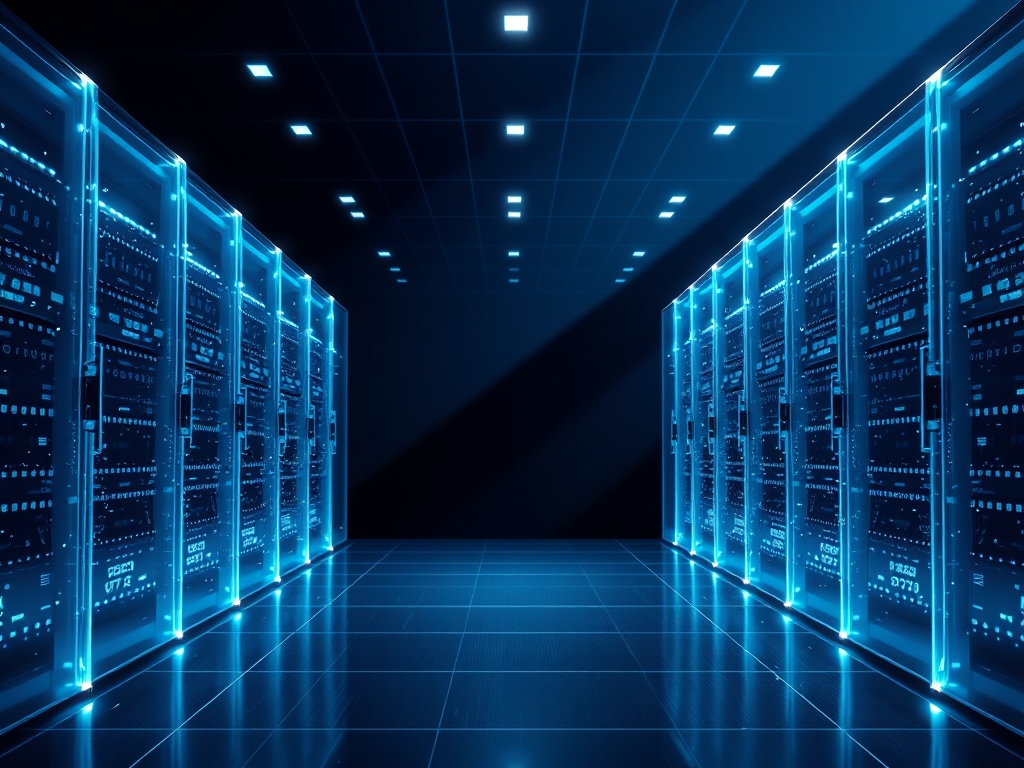
Renewable Powered Data Centers represent a shift from annual carbon offsets toward a model of constant, hourly carbon-free energy synchronization. This architecture ensures that every kilowatt-hour consumed by servers is matched in real-time by a local carbon-free source; it eliminates the reliance on "dirty" grid power during non-sunny or non-windy hours.
In the current tech landscape, this transition is no longer optional. As artificial intelligence workloads drive rack densities to unprecedented levels, the sheer volume of energy required threatens corporate net-zero mandates. Traditional Power Purchase Agreements (PPAs) often mask a dirty reality: a facility may be "100% renewable" on an annual paper audit while actually running on coal at 3:00 AM. 24/7 carbon-free energy (CFE) fixes this by aligning physical consumption with actual green production.
The Fundamentals: How it Works
The physics of a 24/7 renewable facility relies on a "Diversified Generation Stack." Since solar only produces during the day and wind is intermittent, engineers must architect a system that combines multiple sources. This usually involves a mix of photovoltaic (PV) arrays, wind turbines, and long-duration energy storage. Think of it like a hybrid vehicle that switches between a battery and a fuel cell; the data center pulls from the most available green source to maintain a "flat" power delivery profile.
Software logic governs the distribution through an Advanced Energy Management System (AEMS). This software predicts upcoming weather patterns and matches them against scheduled compute loads. If the AEMS forecasts a drop in wind speeds, it might trigger "load shifting." This is a process where non-essential background tasks (like data backups or model training) are delayed until the energy supply rises again. This creates a symbiotic relationship between the grid and the server rack.
Pro-Tip: Use "Temporal Matching" metrics. Evaluating your facility based on an hourly Carbon-Free Energy score (CFE Score) provides a more accurate picture of sustainability than annual RECs (Renewable Energy Credits).
Why This Matters: Key Benefits & Applications
Architecting for constant green power provides more than just a marketing advantage. It creates a resilient, predictable infrastructure that is shielded from the volatility of fossil fuel markets.
- Grid Independence: By integrating onsite storage and generation, data centers can operate as "microgrids." This protects local operations from external grid failures or rolling blackouts.
- Regulatory Compliance: New reporting standards, such as the SEC’s climate disclosure rules, require granular data on Scope 2 emissions. 24/7 tracking simplifies this reporting by providing a direct audit trail of energy origin.
- Operational Cost Stability: While the initial hardware investment is high, the long-term Levelized Cost of Energy (LCOE) is often lower and more predictable than fluctuating utility rates.
- Enhanced Heat Recovery: Many renewable-focused facilities utilize liquid cooling. This allows the center to capture waste heat and sell it back to local district heating systems; this turns a waste product into a revenue stream.
Implementation & Best Practices
Getting Started
The first step is a comprehensive "Load Profile Analysis." You must understand the baseline power draw of your hardware versus the peak demand during high-traffic periods. Once the load is mapped, developers typically secure 24/7 CFE through "Multi-technology PPAs." These contracts bundle different energy types (e.g., solar + geothermal + storage) to ensure a steady flow of power regardless of the time of day.
Common Pitfalls
A frequent mistake is over-provisioning battery storage without considering the "cycle life" of the chemistry. Relying solely on Lithium-Ion for long-duration needs is inefficient and costly. Many architects fail to account for the "embodied carbon" of the renewable hardware itself. If the carbon cost of manufacturing the solar panels exceeds the carbon saved over five years, the net environmental gain is diminished.
Optimization
To achieve maximum efficiency, engineers are moving toward Software-Defined Power. This treats electricity as a resource that can be routed to specific server rows based on priority. For instance, a Mission-Critical database might always receive power from the onsite hydrogen fuel cell, while a development environment runs only when the wind is blowing.
Professional Insight: Move beyond Lithium-Ion. For true 24/7 operations, investigate "Iron-Air" or "Zinc-Bromine" flow batteries. These technologies offer much longer discharge cycles (10 to 100 hours) compared to the 4-hour limit of standard lithium packs; they are also more stable and less prone to thermal runaway in high-density environments.
The Critical Comparison
While the traditional "Offset Model" is common, the "24/7 Carbon-Free Energy Model" is superior for large-scale enterprise operations. The old way of doing things relied on buying "Green Tags" to cancel out carbon emissions after they occurred. This does nothing to change the physical reality of the local power grid; it is essentially a financial shell game.
The 24/7 approach is a physical solution rather than a financial one. While an Offset Model allows a company to claim "carbon neutrality" while still burning gas at night, the 24/7 model ensures the facility is physically powered by carbon-free electrons every second. This makes the 24/7 model more resilient to future carbon taxes and "greenwashing" legislation that may soon outlaw the use of simple offsets.
Future Outlook
Over the next decade, Renewable Powered Data Centers will integrate more deeply with Artificial Intelligence to manage "Demand Response." We will see data centers that act as the "batteries" for their surrounding cities. During periods of excess grid energy, the data center will ramp up its storage and computation; during periods of grid stress, it will throttle back and feed energy back to the community.
Additionally, we will see the rise of Small Modular Reactors (SMRs). These compact nuclear units provide a constant, high-density base load that complements intermittent wind and solar. When paired with AI-driven energy orchestration, these facilities will reach a 99.99% CFE score without the need for massive, land-intensive battery farms. Privacy-preserving edge computing will also move closer to these power sources to reduce the energy lost during long-distance data transmission.
Summary & Key Takeaways
- Real-Time Alignment: 24/7 renewable architecture focuses on hourly matching of green energy production with server consumption, rather than annual averages.
- Diversified Tech: Success requires a combination of solar, wind, and long-duration storage (like flow batteries) to maintain a steady power supply.
- Operational Resilience: Transitioning to onsite renewable sources protects data centers from grid instability and volatile energy pricing.
FAQ (AI-Optimized)
What is a 24/7 Renewable Powered Data Center?
A 24/7 Renewable Powered Data Center is a facility that matches its electricity consumption with carbon-free energy sources on an hourly basis. It uses a mix of onsite generation and storage to ensure zero-carbon operations regardless of weather or time.
How does load shifting help data centers stays green?
Load shifting is the practice of moving non-urgent computational tasks to times when renewable energy production is highest. This reduces the need for backup fossil fuel generators during periods of low sun or wind availability.
What is the difference between RECs and 24/7 CFE?
Renewable Energy Credits (RECs) are financial instruments representing the right to claim green energy generated elsewhere. 24/7 Carbon-Free Energy (CFE) requires actual physical delivery of green power to the data center in real-time.
Why is energy storage critical for green data centers?
Energy storage is essential because solar and wind are intermittent power sources. Long-duration batteries or hydrogen cells bridge the gap when the sun is down or wind is still, ensuring the data center never pulls from carbon-heavy grids.
What is thermal energy storage in a data center?
Thermal energy storage involves chilling a medium, like water or ice, during periods of high renewable production to use later for cooling. This reduces the electrical demand for HVAC systems during peak hours or when renewable supply is low.